 VITMINVEDA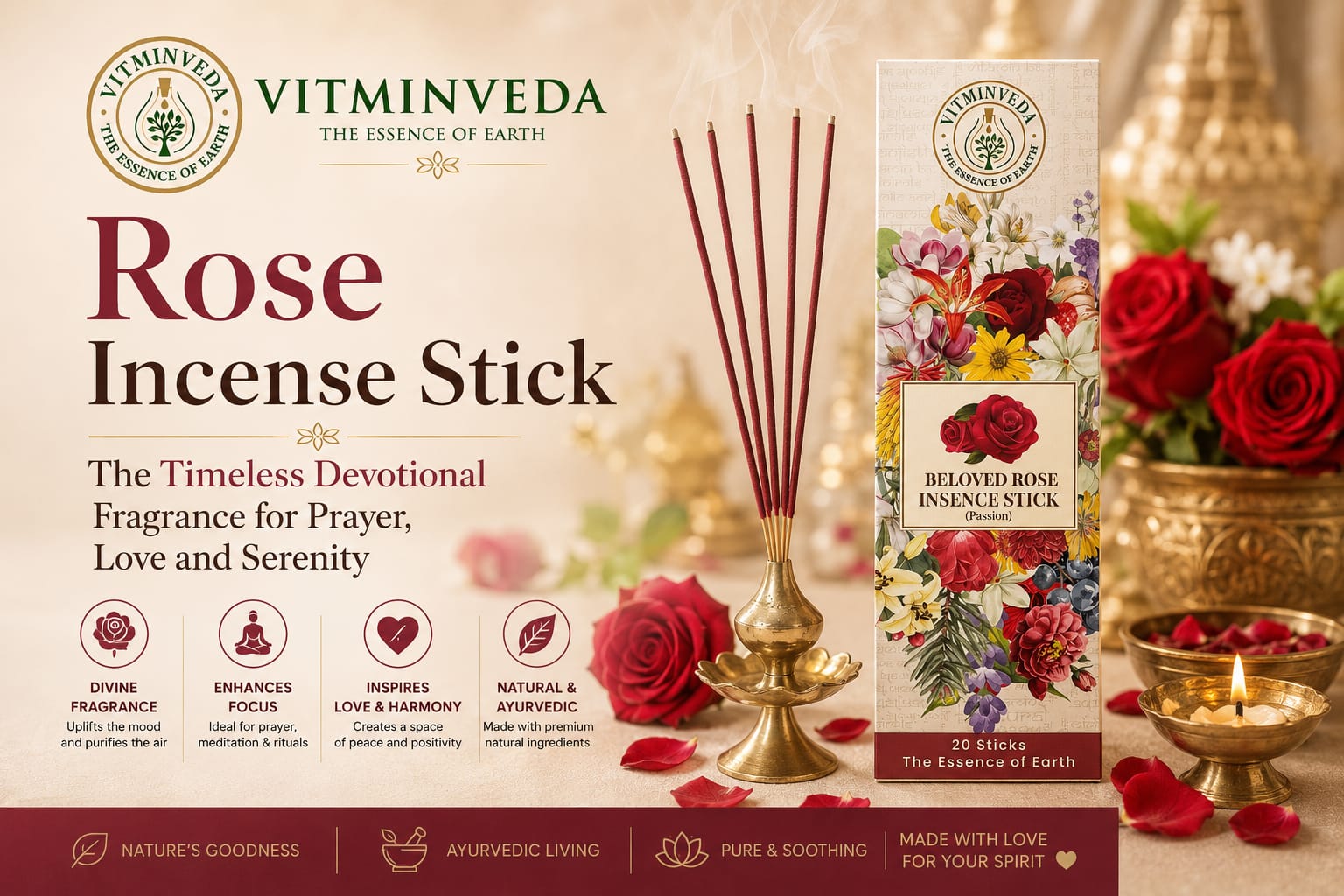
Understanding Rose Incense: Origin and Cultural Heritage
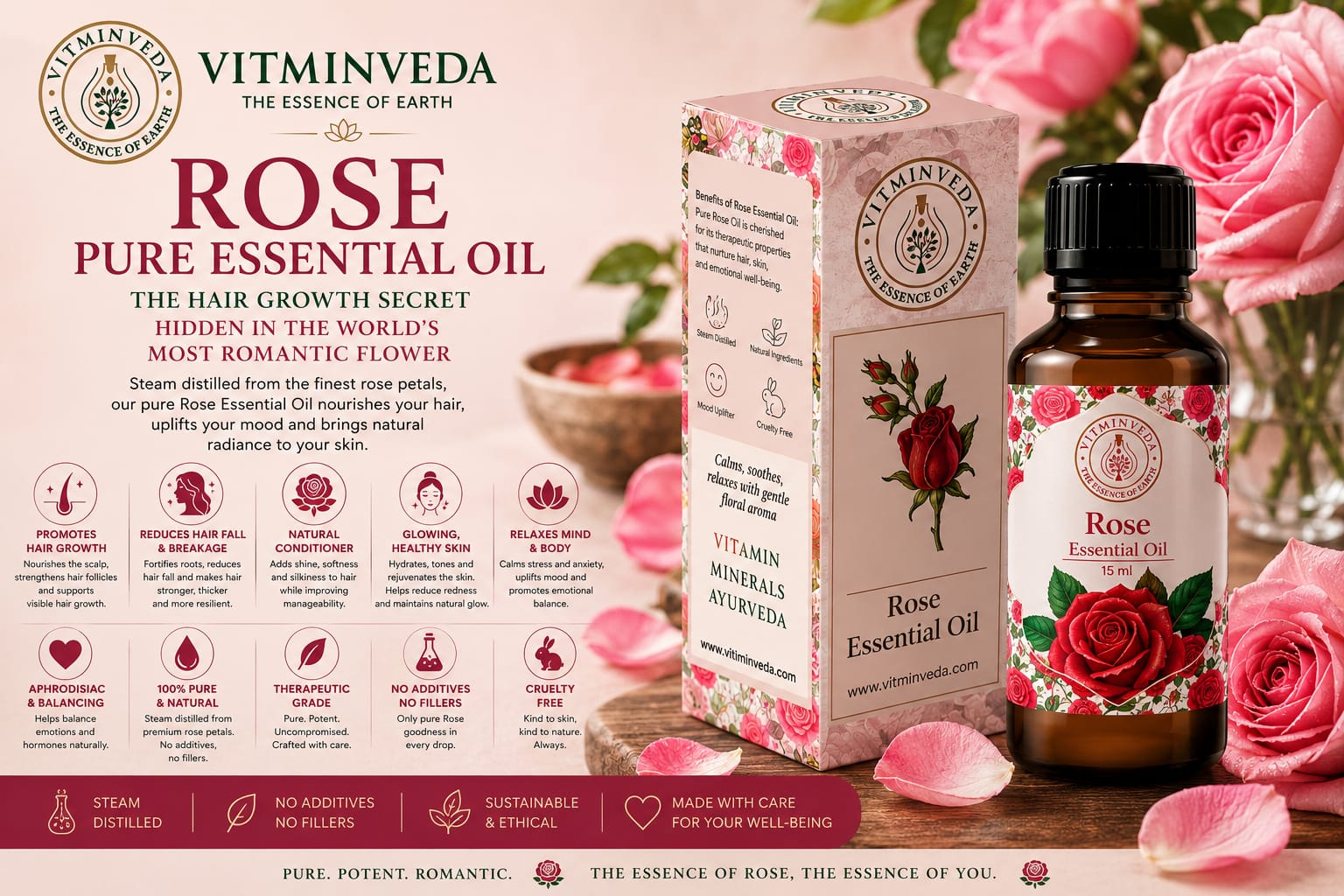
Rose incense is one of the oldest and most widely used forms of floral incense across Hindu, Buddhist, and Sufi traditions. The association of rose with devotion, love, and spiritual purity appears in the Rigveda, in Islamic poetry from Rumi to Hafiz, and in temple offerings across South and Southeast Asia. The fragrance of rose - primarily phenylethanol and geraniol - has been used in devotional practice for millennia precisely because its neurological effect (mood elevation, reduction of anxiety, activation of positive emotional memory) creates the receptive mental state associated with prayer, devotion, and spiritual opening.
The Science of Scent: How Incense Affects the Brain
Burning incense is not simply a cultural or aesthetic practice - it engages measurable neurological mechanisms. Aromatic compounds in incense smoke activate olfactory receptors that connect directly to the limbic system - the brain's emotional and memory centre - bypassing the cognitive filter of the neocortex. This direct emotional pathway explains why fragrance triggers such powerful memories and mood shifts faster than any other sensory stimulus. Rose fragrance's specific neurological action - reducing cortisol, activating the brain's reward pathways, and stimulating oxytocin-related emotional warmth - makes it uniquely suited to both devotional and intimate settings. Burning rose incense before prayer, during loving-kindness meditation, or in shared family spaces creates a consistent olfactory cue for warmth, love, and openness.
Key Benefits
- Devotional Practice - The most traditional incense for prayer and offerings across Hindu, Buddhist, and Sufi traditions.
- Love & Warmth - Rose's oxytocin-adjacent emotional warmth creates an environment of openness and connection.
- Mood Elevation - Phenylethanol reduces anxiety and elevates mood - creating the receptive emotional state for meaningful human connection.
- Universal Appeal - Rose is the most universally positive fragrance in cross-cultural olfactory research - safe for all settings.
- Memory & Emotion - Rose activates deep emotional memory - creating powerful nostalgic and comforting associations with consistent use.
Creating Your Incense Ritual
A meaningful incense ritual requires minimal equipment but specific intention. Choose a quality incense holder that catches ash - traditional brass diyas and ceramic holders work best. Burn in a ventilated space: adequate airflow carries the fragrance through the room while preventing smoke buildup. Burn for 15-30 minutes per session - this is sufficient for the aromatic compounds to permeate the space. Light at consistent times (morning prayer, evening relaxation, or before meditation) to allow the fragrance to become an olfactory cue for the associated mental state.
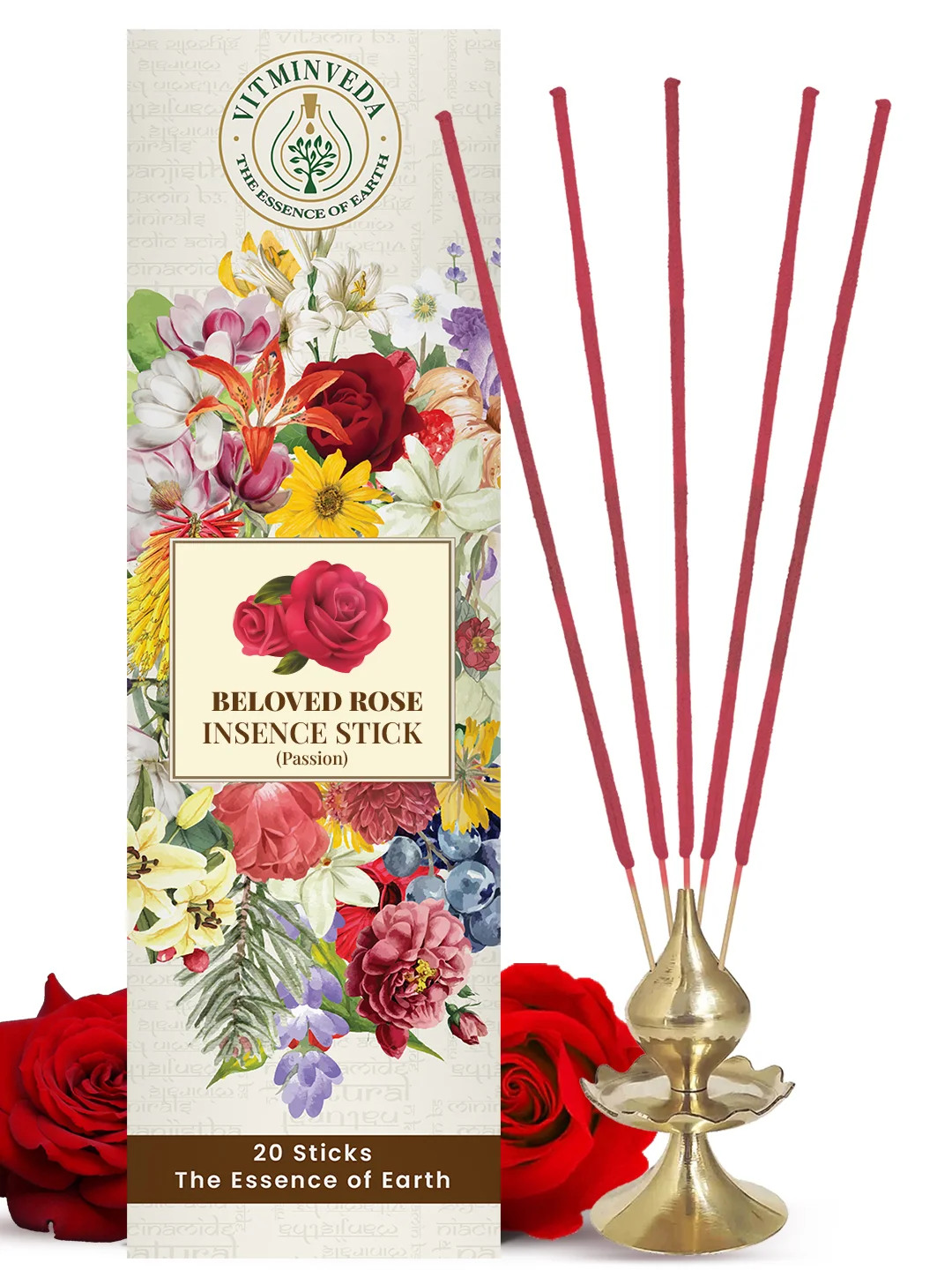
Rose Incense Pairing Guide
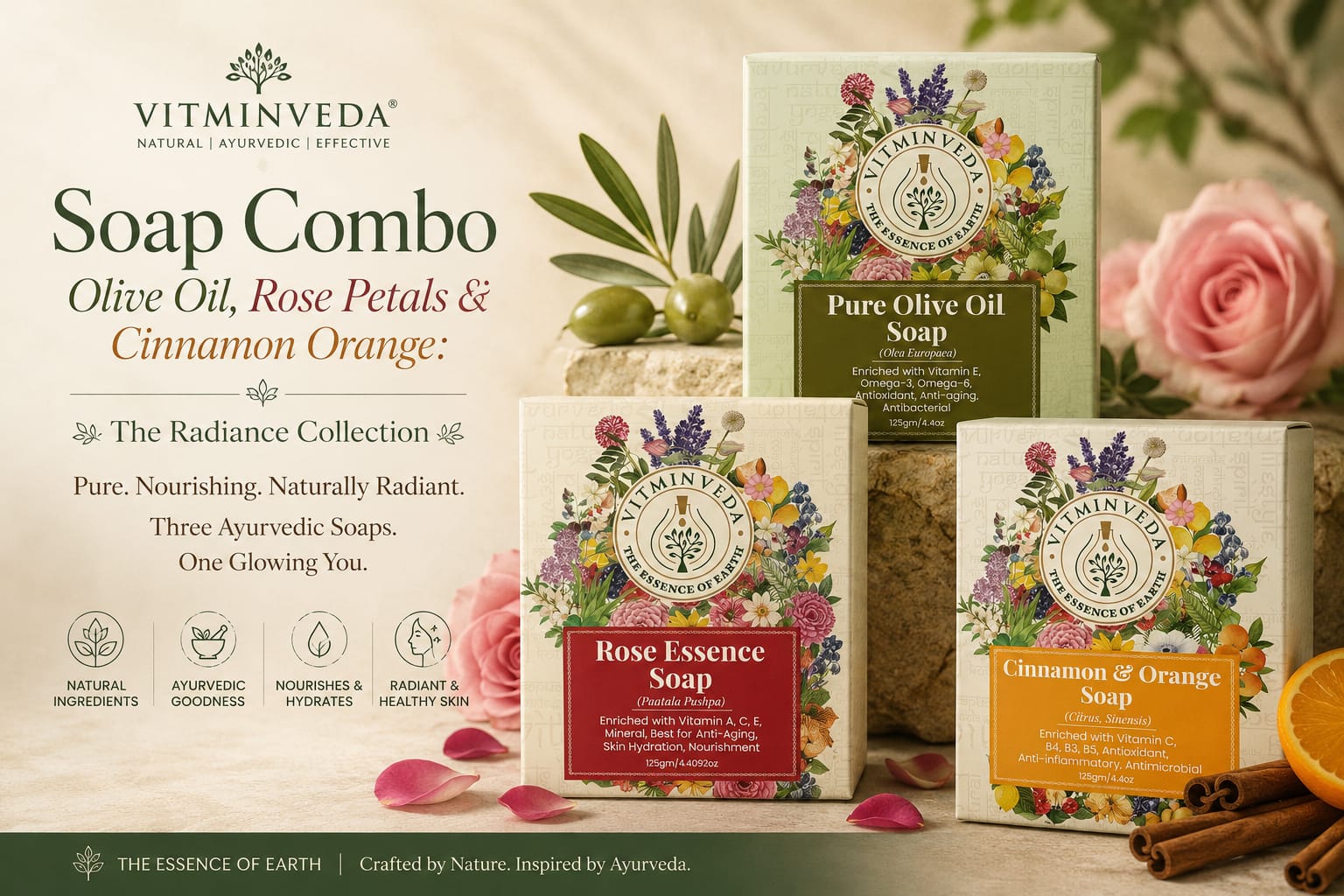
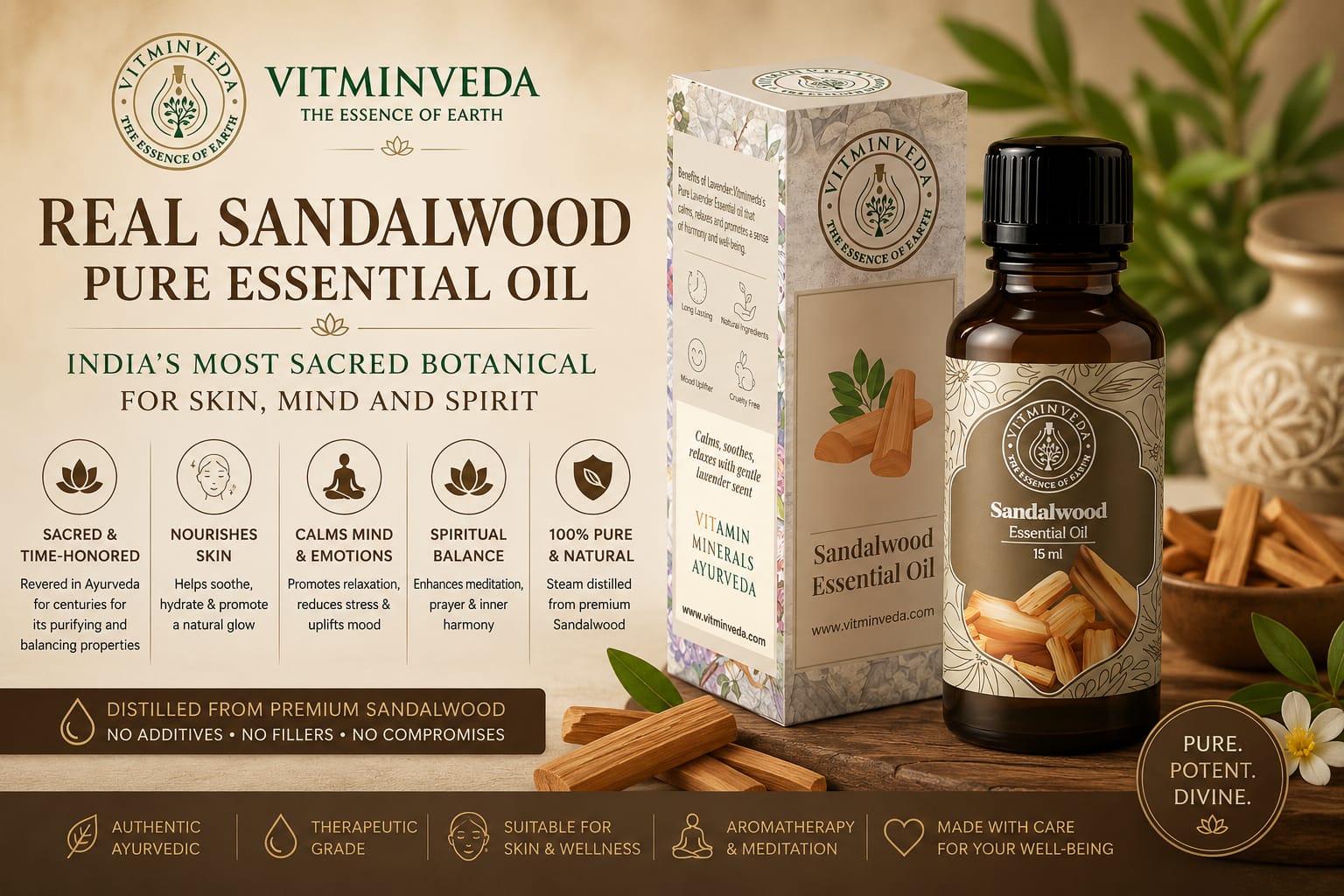
Rose pairs beautifully with sandalwood for the classic Indian temple fragrance combination. Layer with jasmine (mogra) for a richer floral blend. Use in the morning for devotional practice, in the evening for family shared spaces. Pair with VITMINVEDA Rose Hand Wash and Rose Essence Soap for a complete home rose experience.
VITMINVEDA's Commitment to Clean Incense
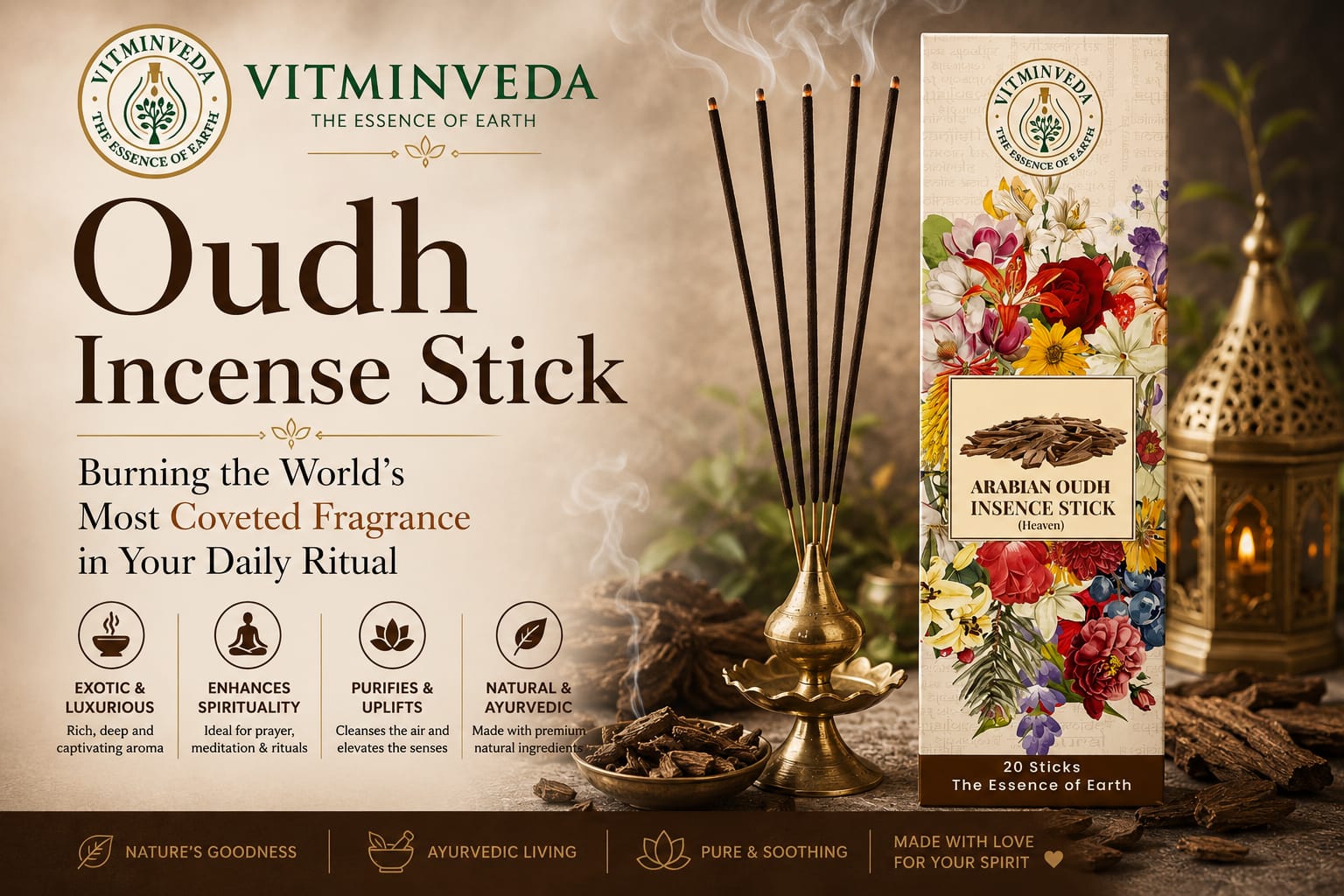
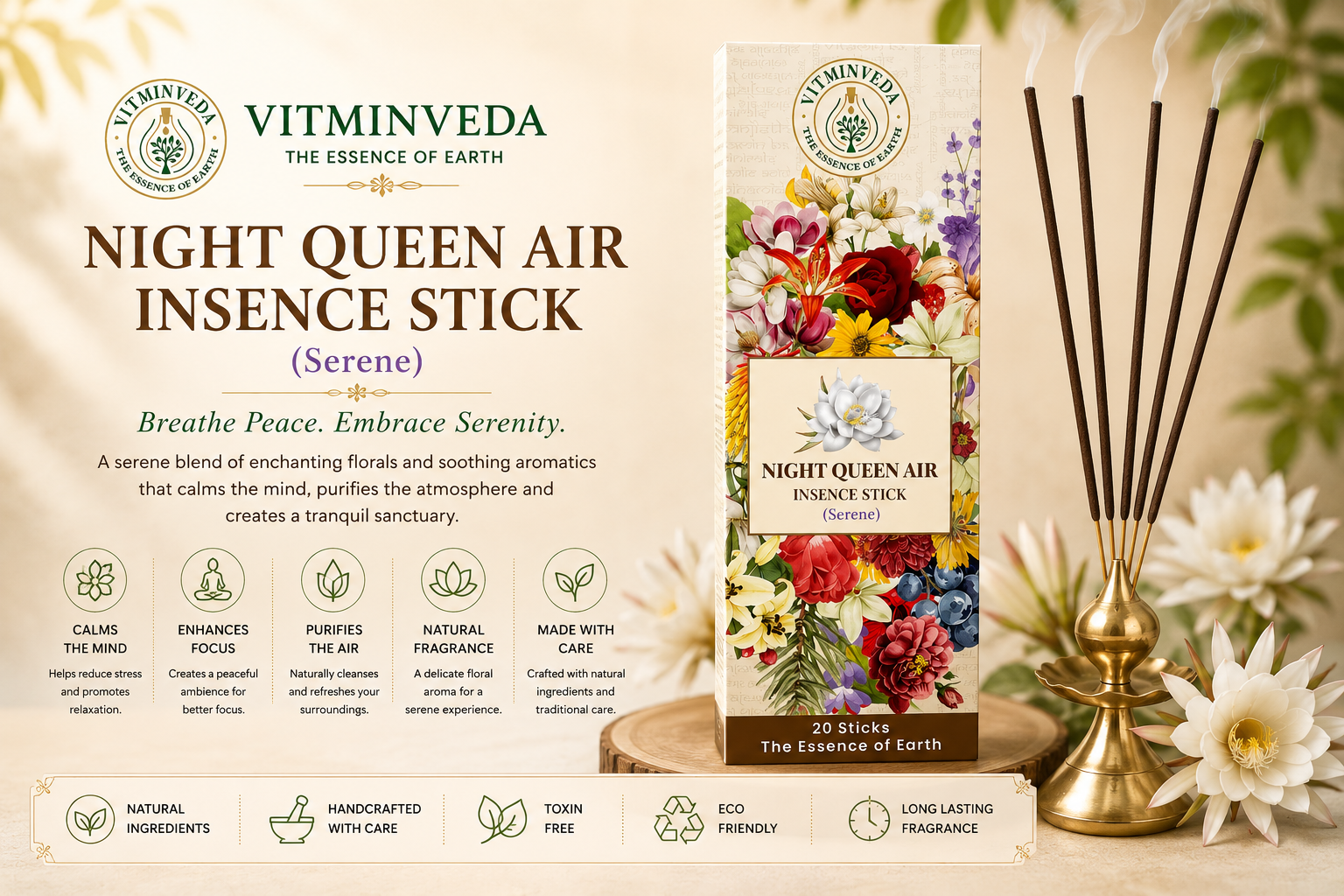
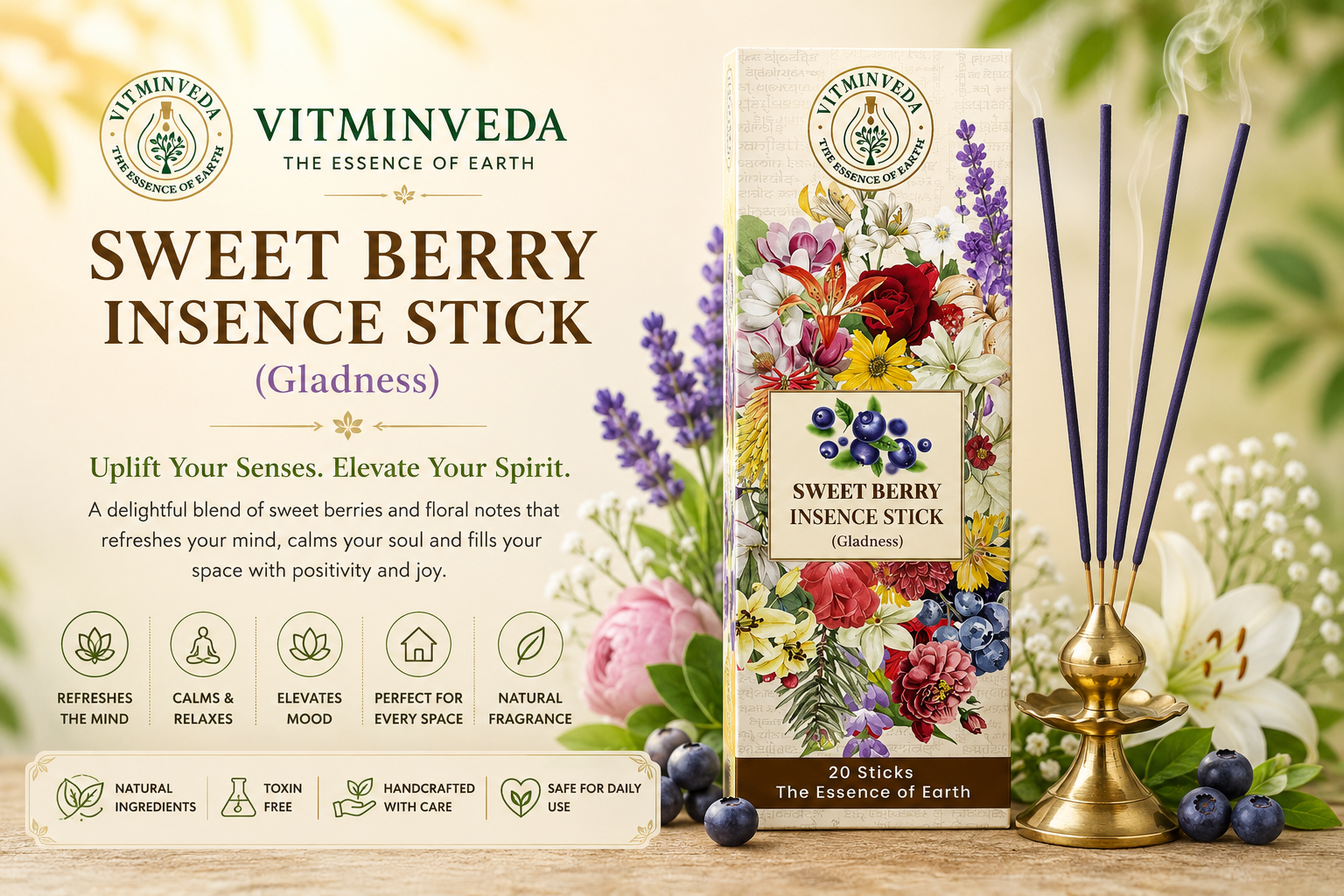
All VITMINVEDA incense sticks are formulated without chemical binders, artificial accelerants, or synthetic fragrance enhancers - only natural resins, botanical extracts, and essential oils on a natural base. This means cleaner combustion, more authentic fragrance, and a more genuine therapeutic experience than mass-produced incense.

.jpeg)